
Sustainable Building Features That Matter in Commercial Real Estate
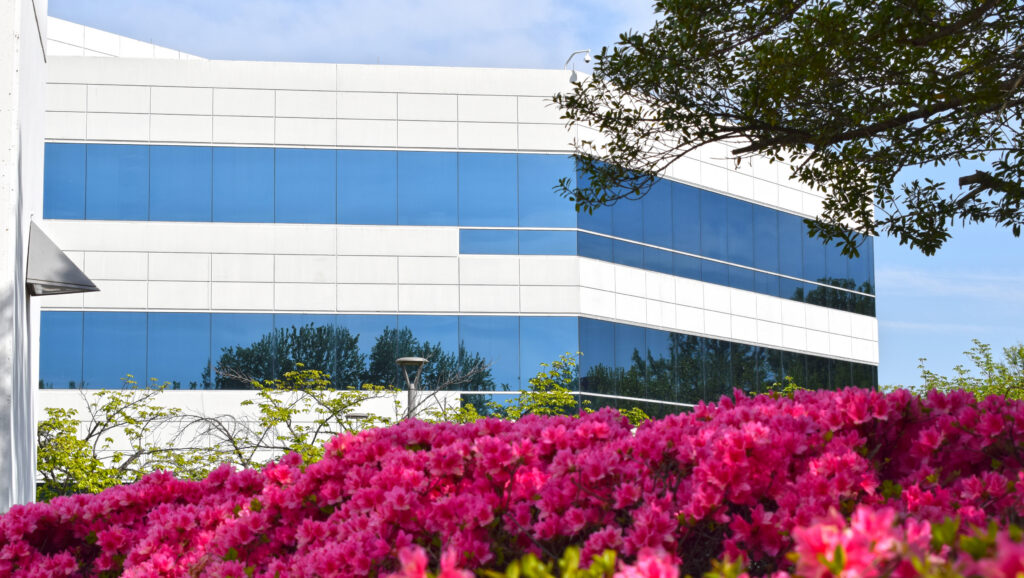
Commercial buildings have made a lot of advancements when it comes to incorporating green infrastructure and features into their properties. Often these elements can easily be part of the planning and new construction process, though building owners may also opt to make environmentally friendly updates to their properties. In fact, many jurisdictions throughout the United States have policies in place that mandate making sure building systems and features are updated to be more energy-efficient, green, and sustainable.
If you are planning improvements to your building(s), or just seeking to learn more about how commercial buildings are doing their part, here are some examples and standards to keep in mind.
- Programs and Certifications – Organizations throughout the United States offer green building certifications and standards for the construction industry. Two of the most well-known and popular are the EPA’s Energy Star program and the U.S. Green Building Council’s Leadership in Energy and Environmental Design (LEED). Those programs, as well as others, give guidance on what features can be incorporated into new buildings or renovations to make them more environmentally friendly and have a more sustainable impact. LEED provides different levels of certification for buildings, from “Certified” to “Platinum”, that can be used to attract tenants and show communities that the property isn’t having a negative impact on their areas.
- Energy-Efficient Systems – From HVAC to modern insulation to lighting, there are a number of energy-efficient swaps owners can make to essential building features. Newer HVAC systems still provide necessary conditioning for spaces and enhance ventilation, while reducing energy consumption and electricity costs. LED lighting can also significantly reduce electricity costs.
- Water-Saving Systems – Many green buildings use low-flow plumbing that reduces water usage and costs.
- Solar Panels – Rooftop solar panels are an excellent way to reduce electrical costs, plus have the added benefit of the solar energy giving back to communities surrounding a property. Solar may also give building owners tax credits or other incentives in certain jurisdictions.
- Stormwater Management – On-site stormwater retention ponds and systems, often mandated in some areas, help manage runoff and protect local waterways. Permeable paving in parking lots and walkways or green roofs are other creative ways buildings can help manage stormwater.
- Sustainable Building Materials – If the project has flexibility, builders may opt for more sustainable or recycled materials, such as low-VOC finishes, locally-sourced materials, or even recycled steel.
Making any one of these green improvements can help improve tenant appeal, provide owners with significant savings, and enhance the long-term value of a property.